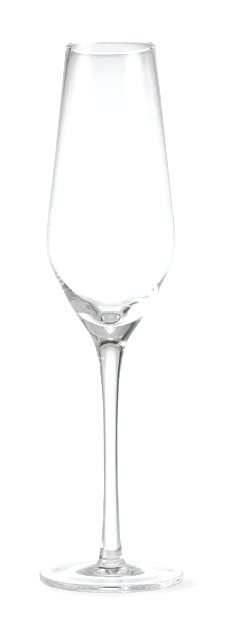
Classic champagne flute
220ml
Pour: Champagne, prosecco and sparkling wine, and a toast for everyone.
Tall and narrow, so the bubbles last. Our everyday flute, and the safe choice for a big toast.
The shape of a glass changes how much you pour, how fast a drink warms up, how long bubbles last and how much of the smell reaches you before the first sip. A big bowl lets a red breathe. A narrow flute keeps sparkling wine lively. A tall highball holds enough ice to keep a mixer cold. You do not need a glass for everything, but the right one makes an ordinary drink feel looked after.
Pour: Champagne, prosecco and sparkling wine, and a toast for everyone.
Tall and narrow, so the bubbles last. Our everyday flute, and the safe choice for a big toast.
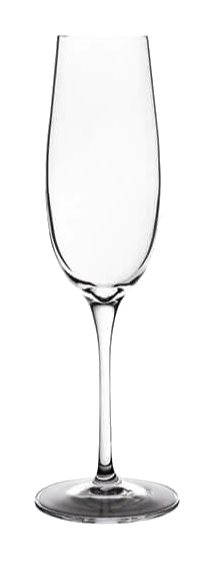
Pour: The toast at the top table, and champagne for a small celebration.
Finer crystal than the Classic, titanium reinforced.
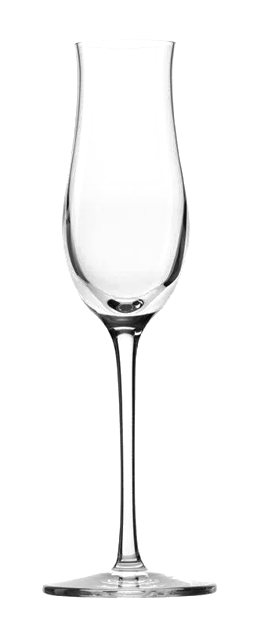
Pour: Sparkling wine through a long reception, bellinis, mimosas and kir royale.
Slim with a flared rim. A smaller pour than a flute, which suits a drink that keeps being topped up.
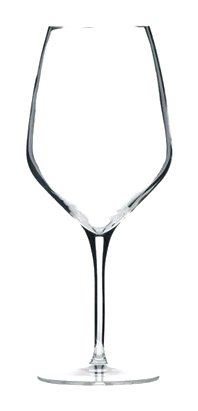
Pour: White wine, rosé, and spritzes over ice.
A smaller bowl than the red, so you pour a little at a time and a cold wine stays cold.
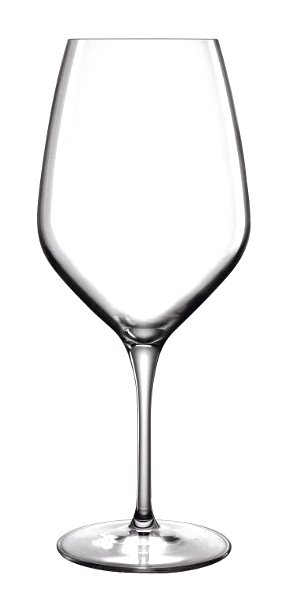
Pour: Reds of every kind, from pinot noir to shiraz.
Part of a range designed as a wine tasting glass. The wide bowl gives the wine room to breathe. Pour it about a third full.
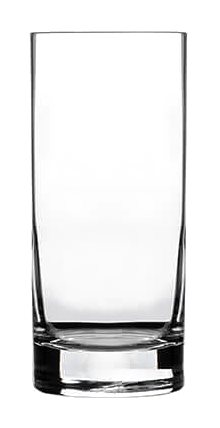
Pour: Spirits and mixers, gin and tonic, long cocktails like a mojito, soft drinks and water.
Tall and straight, with room for plenty of ice and mixer.
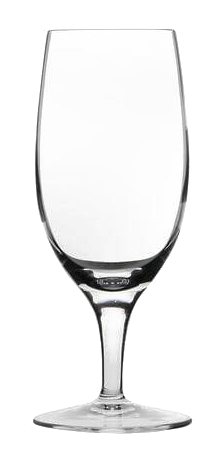
Pour: Lager, pilsner, pale ale and cider.
Tall and tapered to show the colour and hold the head.
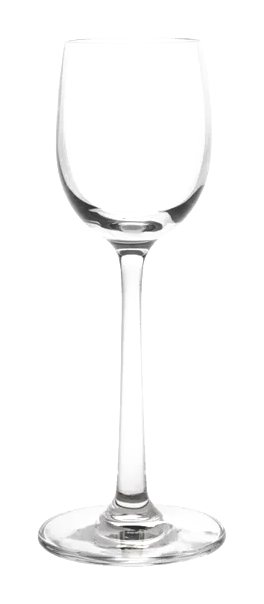
Pour: Grappa, limoncello, liqueurs, dessert wine and aperitifs.
Small and long stemmed, made for sipping a small pour.
Flutes for the bubbles, not wine glasses. A wine glass has a wide bowl, so sparkling goes flat in it before the speeches are over. For a glass of sparkling, use flutes: the bubbles last longer, the pour is right, and a flute is easy to carry while people walk and talk.
You do not need all eight. Most parties are covered by two or three:
Fewer styles means fewer crates, a simpler table and less to think about on the day.
Not sure how many of each? The glass calculator works it out, or send us your plans and we will suggest the glasses and quote them.
A flute is tall and narrow, so bubbles last longer and it is easy to carry while you mingle. A trumpet flute is slimmer with a flared rim and a smaller pour, which suits sparkling that keeps being topped up through a long reception.
Nearly. A white wine glass and a highball between them cover wine, spirits, mixers, beer, soft drinks and water. Add flutes if there is a toast.
Small pours meant to be sipped: grappa, limoncello, liqueurs, dessert wine and aperitifs.
The white wine glass. Rosé is best cold, and the smaller bowl means smaller pours that stay cold.
A calculator and a one page cheat sheet, from 20 guests to 150.
3 to 5 minutesNine glassware questions to ask, and an email that asks them for you.
5 minutesFour easy crowd cocktails, batch quantities and a free menu maker.
10 minutesA day by day plan that ends with you not doing the dishes.
5 to 7 minutesBooked with us? An email that gives your venue the delivery details.
2 minutesEasy drinks for a crowd, each one shown in the glass we hire.
1 minute each